Give Your Furniture a Memory: Provenance and Care Passports
Why Story and Stewardship Increase Value
Anatomy of a Care Passport
01
Materials, Finishes, and Construction Details
List wood species, veneer types, substrates, textiles, leathers, foams, adhesives, and metal alloys. Note finishes, sealants, and pigments with brand names where possible. These specifics guide safe cleaners, compatible fixatives, and humidity targets, preventing reactions like clouding, delamination, dye migration, or brittle fracture.
02
Maintenance Schedules That Actually Work
Translate expert advice into calendar prompts that suit real life. Record gentle weekly dusting, quarterly inspections, annual oiling, or five‑year reupholstery assessments. Maintenance spaced correctly reduces emergencies, spreads costs predictably, and preserves finishes so they age gracefully rather than fail suddenly and expensively.
03
Repairs, Restorations, and Responsible Upgrades
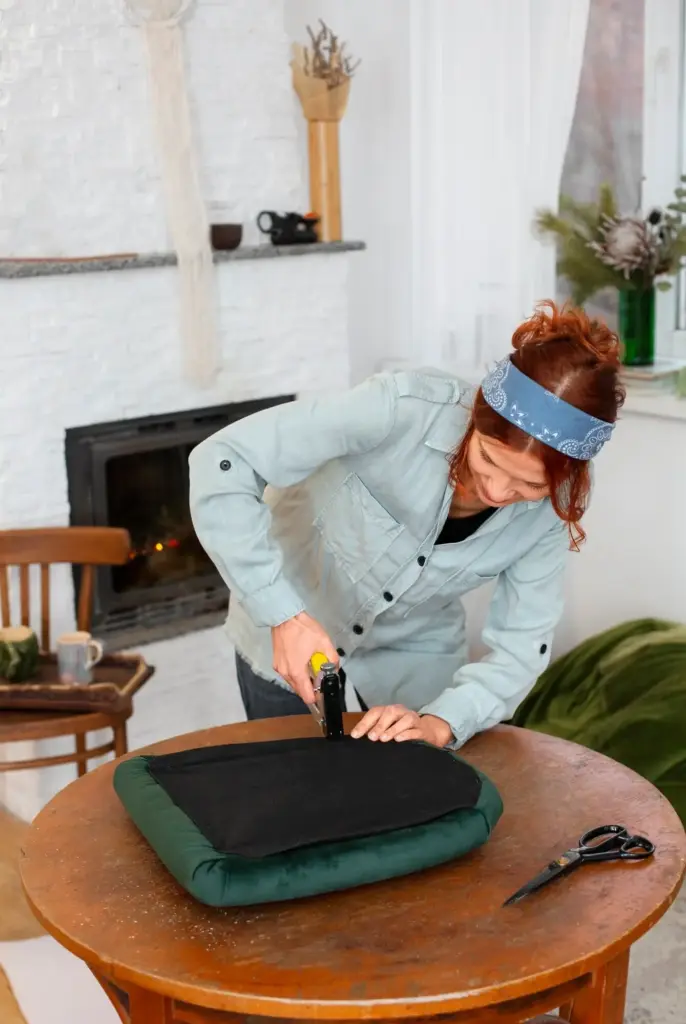
Capture dates, providers, materials used, and photographs before and after. Honest notes about what worked or failed help future specialists and prevent repeated mistakes. Responsible upgrades, like reversible hardware or certified foam, can be celebrated while keeping the original character and integrity intact.
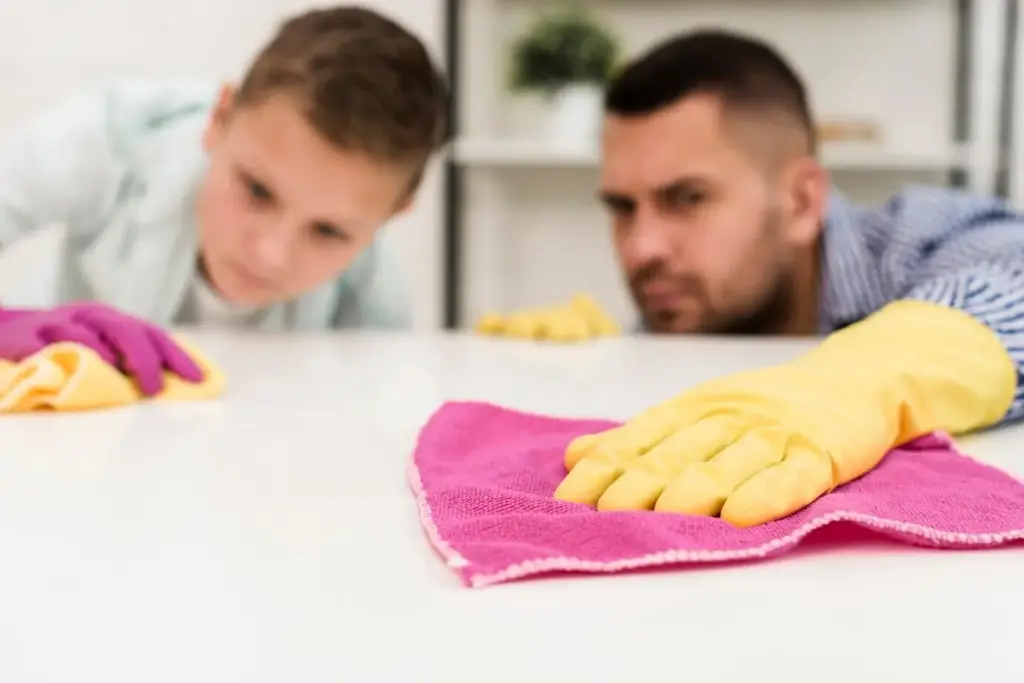
Create Yours Today: Simple, Repeatable Steps
Digital Meets Tangible: Tags, Apps, and Privacy
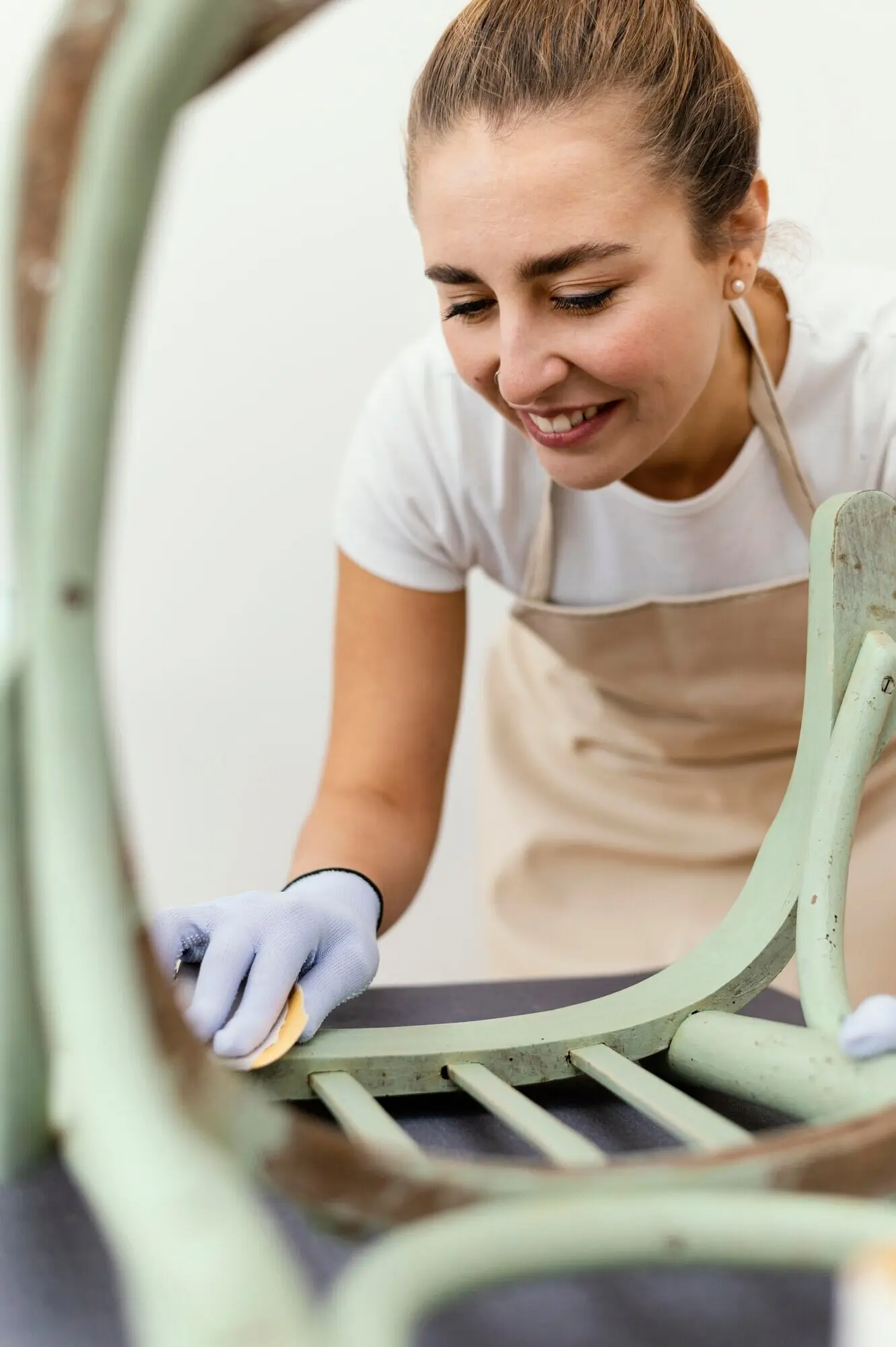
Real Homes, Real Passports: Stories That Inspire
The Heirloom Rug That Survived a Move
During a chaotic move, a wool rug absorbed muddy water. The passport listed fiber content, dye method, and a trusted cleaner’s emergency number. Within hours it was stabilized, washed appropriately, and dried flat, avoiding shrinkage, bleeding, and heartbreaking, irreversible damage that insurance rarely covers.
A Mid-Century Chair Gains New Life
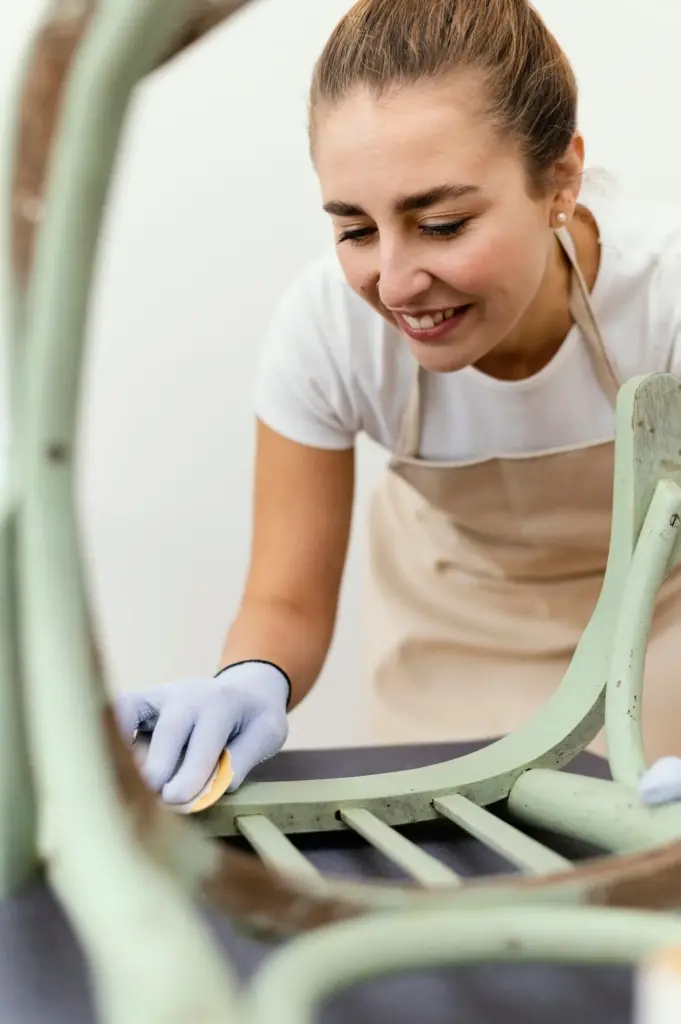
A thrifted chair with loose joints seemed risky until records surfaced: manufacturer catalog page, original finish specification, and a conservative glue recommendation. A careful repair matched strength and sheen, preserving patina without over‑restoration. Documentation transformed hesitation into pride, comfort, and an heirloom in waiting.

Care Routines That Keep Beauty Alive

Climate, Light, and Pest Awareness

Cleaning That Respects Materials
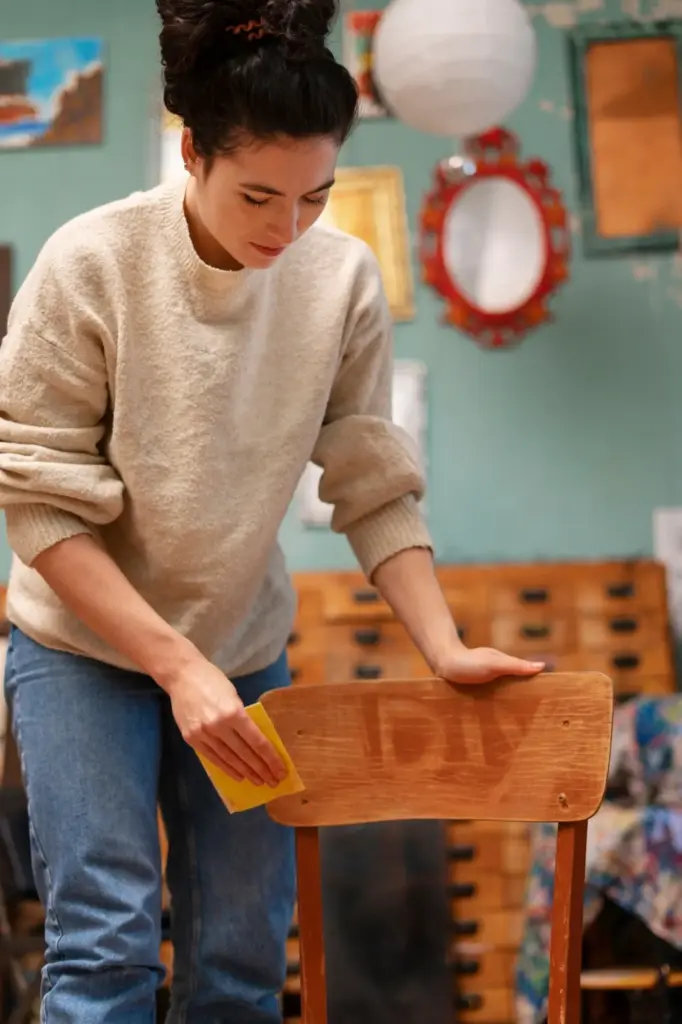
When to Call a Professional

All Rights Reserved.