Why Community Repair Matters Now

From Landfill to Living Room

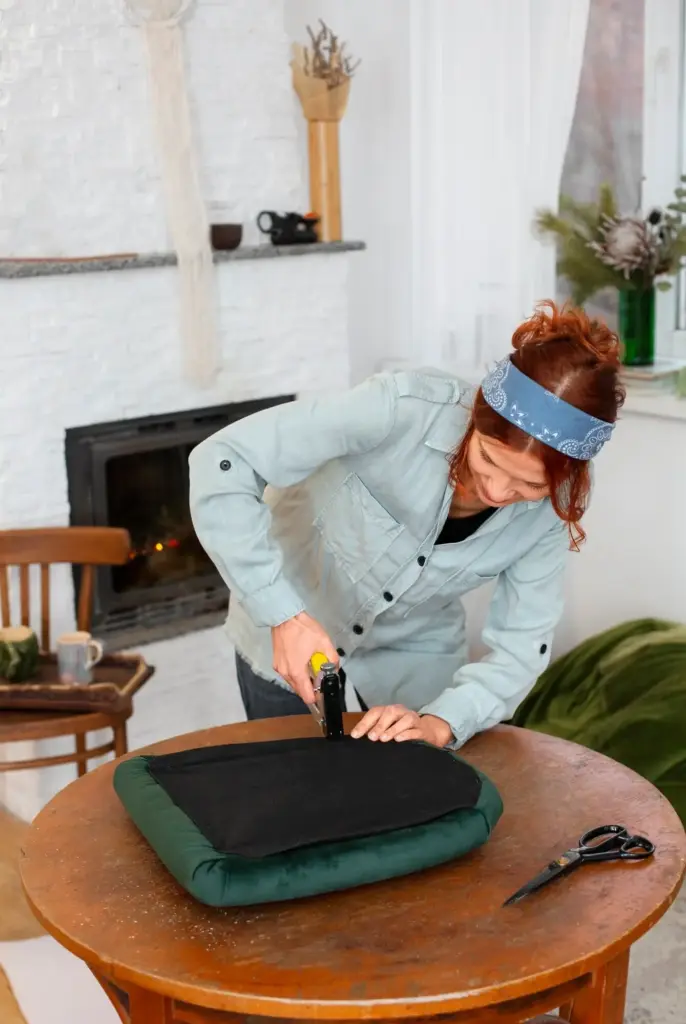
Picture a scratched oak chair left on the curb. Volunteers patch its split rail, reglue joints, sand scars, and finish with plant‑based oil. A neighbor adopts it, shares tea upon it, and the chair’s story gains another chapter instead of disappearing silently.

Carbon, Cost, and Care

Manufacturing new furniture consumes timber, metals, plastics, energy, and long supply chains. Repair shifts investment toward local labor, modest parts, and time together. Households save money, emissions decline, and care expands from objects to people, streets, soil, and shared imagination.

Belonging Through Making

Hands meet over clamps and cups of coffee. Stories travel faster than screws. A retired carpenter mentors teens; a newcomer practices language through sanding rhythms. People feel needed, seen, and proud, while repaired furniture quietly anchors gatherings, meals, learning, and neighborhood trust.

Getting Started: Tools, Spaces, and Safety
Begin with small victories in welcoming spaces. A borrowed garage, library maker room, or church hall can host gentle learning where every mistake becomes insight. Equip for common fixes, label stations clearly, schedule volunteers, and design simple safety rituals everyone can follow confidently.

Joints and Frames That Wobble

Identify loose mortise‑and‑tenon joints, failing dowels, and split stretchers. Disassemble patiently, clean old adhesive, and dry‑fit parts. Use wood glue sparingly, clamp evenly, and check diagonals for square. Replace missing dowels, reinforce with corner blocks, and celebrate a firm, quiet stance.

Surfaces, Finishes, and Stains

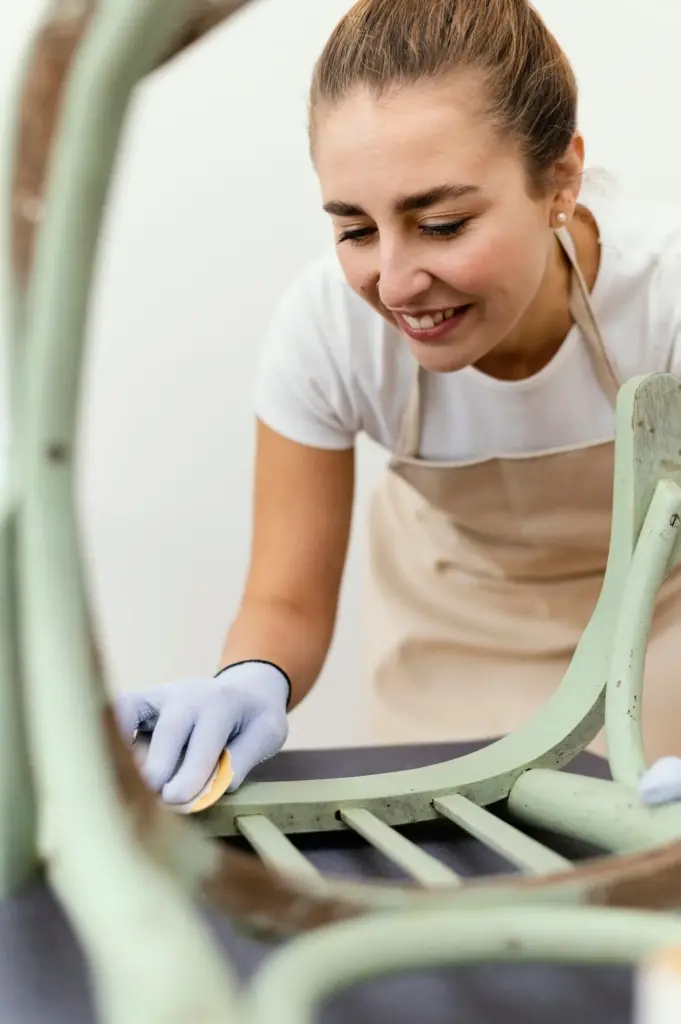
Begin with the lightest touch: soap, water, and patience. Progress to gentle sanding with appropriate grits, then repair veneer, fill dents, and color‑match stains. Choose low‑VOC oils or water‑based finishes, apply thin coats, and respect drying times for satisfying, durable results.

Upcycling with Purpose and Style

Transformation shines when it meets genuine need. Convert forgotten forms into storage, seating, or modular units that adapt to changing homes. Highlight materials honestly, preserve scars where they teach, and add playful details that invite conversation, curiosity, and long‑term affection and care.
Start with function, then celebrate form. Keep ergonomics, stability, and repairability central. Use screws before glue for serviceability, choose finishes you can refresh, and build in adjustable elements. The best upcycles feel inevitable, respectful, and quietly brilliant in daily use.
Develop relationships with reuse centers, deconstruction crews, and thrift shops. Respect donor intent, track provenance, and avoid endangered woods. Prioritize scraps and offcuts before buying new. Local materials reduce transport impacts, support small businesses, and embed neighborhood character within every renewed surface.

Building a Repair Network

Start with libraries, schools, makerspaces, and housing associations. Share calendars, swap volunteers, and co‑host events. Invite local businesses to donate materials or space. A network buffers burnout, distributes knowledge, and makes your efforts discoverable to neighbors who have never attended before.

Funding Without Compromise

Mix micro‑grants, membership jars, sliding‑scale donations, and repair‑it‑forward pledges. Publish budgets openly and practice frugality. Prioritize accessibility over revenue, seek mission‑aligned sponsors, and refuse green‑washing. When community value remains visible, support arrives through goodwill, modest contributions, and occasional transformative partnerships.

Measuring Impact and Sharing Results

What gets measured inspires momentum. Track items repaired, kilograms diverted, hours volunteered, skills learned, and stories captured. Publish summaries with photos and gratitude. Share setbacks honestly, invite ideas, and turn data into invitations that persuade skeptics and empower new hosts.

Tracking What You Save

Create simple forms that record object type, weight estimates, materials saved, and repair steps. Use consistent categories so totals make sense over time. Even rough numbers motivate volunteers and help grantmakers recognize environmental outcomes beyond cheerful anecdotes and beautiful photographs.

Before-and-After Documentation That Inspires

Photograph defects clearly, capture hands at work, and showcase final results in natural light. Pair images with short captions about challenges and choices. Respect consent, credit contributors, and store files systematically so future workshops can learn and reference proven approaches quickly.

Publishing Open Repair Guides

Write concise tutorials with step lists, tool photos, and material notes. Release under a permissive license, invite translations, and credit community contributors. Shared knowledge multiplies impact, enabling distant neighbors to recreate your successes without costly consultants or unnecessary reinvention.
Keep the Momentum: Learn, Celebrate, Invite

Long‑term culture grows through repetition and delight. Plan seasonal campaigns, rotate focus areas, and welcome new facilitators. Share milestones publicly, host joyful swaps, and archive methods. When people feel progress, they return, bring friends, and propose fresh ideas that widen the circle.
Hockeystoreus
Privacy Overview

This website uses cookies so that we can provide you with the best user experience possible. Cookie information is stored in your browser and performs functions such as recognising you when you return to our website and helping our team to understand which sections of the website you find most interesting and useful.